Contact me at lizbarnestherapy.co.uk
This year, “therapy and companionship” became the most common reason for people to use AI chatbots according to Harvard Business Review, and we’re going to explore whether this is actually good for your mental health.
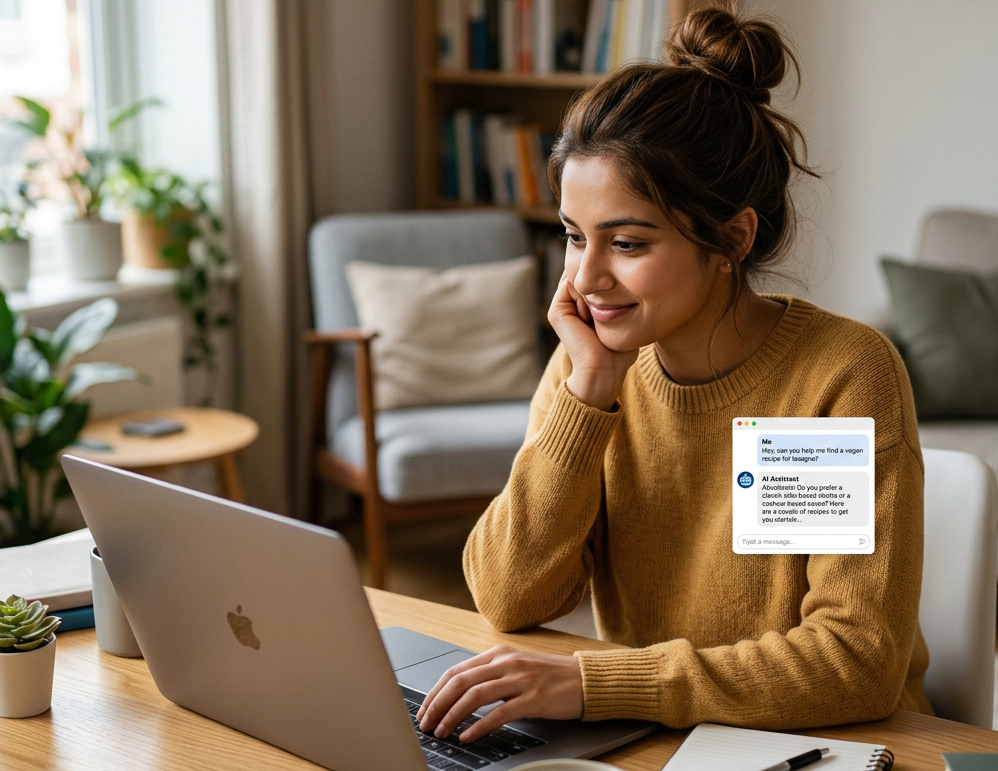
I’m a therapist working in Archway in North London, so I have an obvious bias in favour of traditional therapy with a human therapist. Having said that, I’ve tried to explore the pros and cons of using AI for therapy in an even-handed way, focusing on what the research tells us. Oh, and I didn’t even use AI to help me write this article.
Pros
Is there anything good about using AI for therapy?
- It can be effective – a study conducted by Dartmouth University, found that people working with the Therabot chatbot showed reductions in depression, anxiety and eating disorders similar to the level of improvement seen in outpatient therapy.
- People have reported that they appreciate the non-judgmental, anonymous aspect of using ai for therapy; they feel free to say anything they want because it’s not a human being. The Dartmouth study found that participants engaged well with Therabot, spending around 6 hours messaging with it during the 4-week study.
- AI could be used as an add-on for traditional therapy, with clients having access to chatbots 24/7, they provide real-time support outside the therapy room. They also offer flexibility for those who may not be able to attend a regular weekly appointment, although a potential downside is that people may become overly dependent on them.
- It’s cost effective – chatbots are free or low cost compared to human therapists who often charge anything from £50 to £150 per session. This means that people who otherwise can’t afford therapy are able to access support for their mental health. There are low-cost options for traditional therapy, going as low as £5 per session, or free with the NHS. But NHS waiting lists can often be over a year for anything other than short term CBT, and low-cost services aren’t available in all areas.
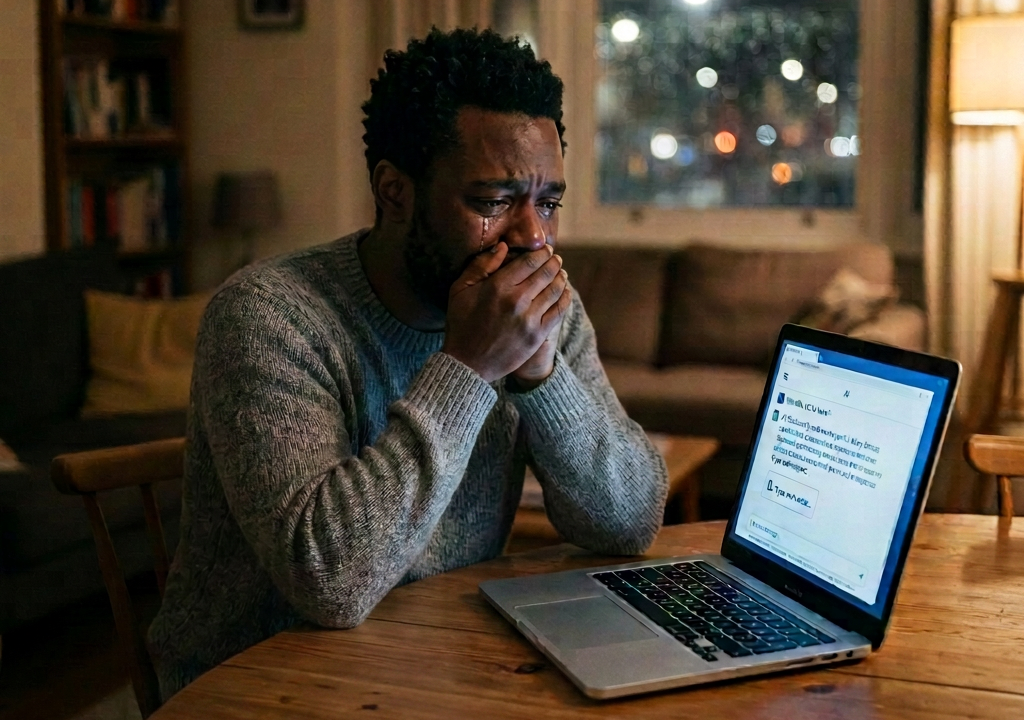
Cons
When using AI for therapy can go very wrong…
- In a study by Dartmouth University where people used a chatbot to help with depression, anxiety and eating disorders, researchers overseeing the project cautioned that chatbots are not ready to function without human oversight, and all interactions in the study had to be screened by clinicians to pick up on any risks presented by the patients and to correct inaccurate or harmful responses from the chatbot. This suggests that chatbots are not yet ready to be used for therapy without the protective oversight of mental health clinicians.
- To continue on this theme, a Harvard study found that AI couldn’t always identify statements that inferred suicidality or delusions. Commercially available chatbots responded incorrectly an average of 50% of the time, but humans only got it wrong 7% of the time.
- Chatbots are unable to address self-harm risk in the way a human therapist would, by exploring the person’s thoughts and feelings and assessing the level of risk, then acting to safeguard the person if needed. Instead, chatbots have guardrails that end conversations which reference suicide and refer users to helplines and external supports. While this might seem like helpful signposting, it may be frustrating for the individual who wants to talk about how they’re feeling. Even more problematic are the times when guardrails are missing or insufficient, and there are instances when chatbots have provided information that helped people to act on suicidal thoughts, such as the locations of tall bridges.
- Chatbots may collude with and encourage delusional beliefs and violent behaviour. ChatGPT redacted an update in May this year as it was “too sycophantic,” acknowledging that its responses validated violent thoughts and behaviour (BACP July 2025). The sycophantic responses of chatbots can be equally problematic in less extreme situations. People may turn to them for an impartial, outside perspective, but what they actually get is a hall of mirrors, only showing their own reflection.
- A popular character.ai bot introduces itself as a psychologist and another is titled Licenced CBT Therapist. Even though Character.ai reminds users at the beginning of every conversation that “everything characters say is made up,” some people may find this more difficult to remember when the bot’s responses are so believably human and can potentially be very persuasive. This was highlighted by the suicide of a 14-year-old following an interaction with a character.ai bot that seemingly encouraged him to take his own life.
- Chatbots have been found to be biased and discriminatory – they pull data from what already exists, and that can inherently be biased. While human therapists are far from perfect, they are trained to develop awareness of their unconscious biases, and to work sensitively with people from marginalized groups.
- The value of therapy is not just mental health symptom reduction, it’s the experience of being vulnerable and sharing difficulties with another human being, which chatbots cannot fully replicate. Chatbots don’t have the same standards of practice as a highly trained human therapist. A Harvard study found that chatbots performed poorly in some basic therapy skills, stating that they lack flexibility, don’t speak about emotions frequently enough, and don’t appropriately challenge and reality-check clients.
- Finally, there are issues around use of data and data breaches. Users have no idea where data is stored or how it’s used, which creates an obvious ethical issue, particularly when people are treating the chatbot as a therapist and disclosing sensitive personal information.
So, where does this leave us?
There’s a lot that we just don’t know yet about the use of ai for therapy as it’s so new and research is still being carried out. Improvements to chatbots are happening all the time, but both the Dartmouth and Harvard studies found that chatbots aren’t yet ready to deliver therapy unsupervised. If you don’t have any mental health problems, and you just want something outside of yourself to talk to and bounce ideas off, you might find chatbots helpful, insightful and readily available. If you do need support with your mental health, and especially if there’s any kind of risk, or you’re not sure about the objective reality of your beliefs, then I would encourage you to find a human therapist. There are directories where all the therapists have had their training and experience checked and verified, such as BACP, Counselling Directory and Psychology Today.



Leave a Reply